Indexing ESCI / Scopus

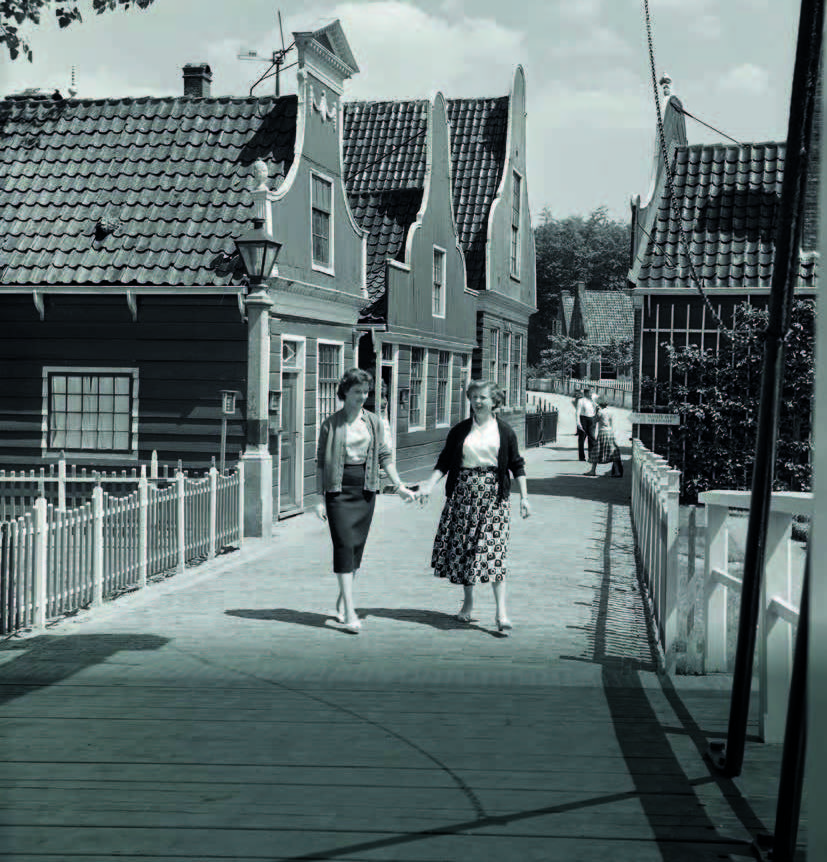
This article begins by examining how distribution maps relating to built heritage have been utilized within the fields of ethnology, historical geography, architectural history and research into rural and agricultural architecture. Up until the Second World War, this occurred primarily within ethnology and had a strong ideological slant. In historical geography, there was virtually no focus on built heritage, while there was scant development of the use of distribution maps in the history of architecture and building. The article then goes on to discuss the method of mapping in the past....
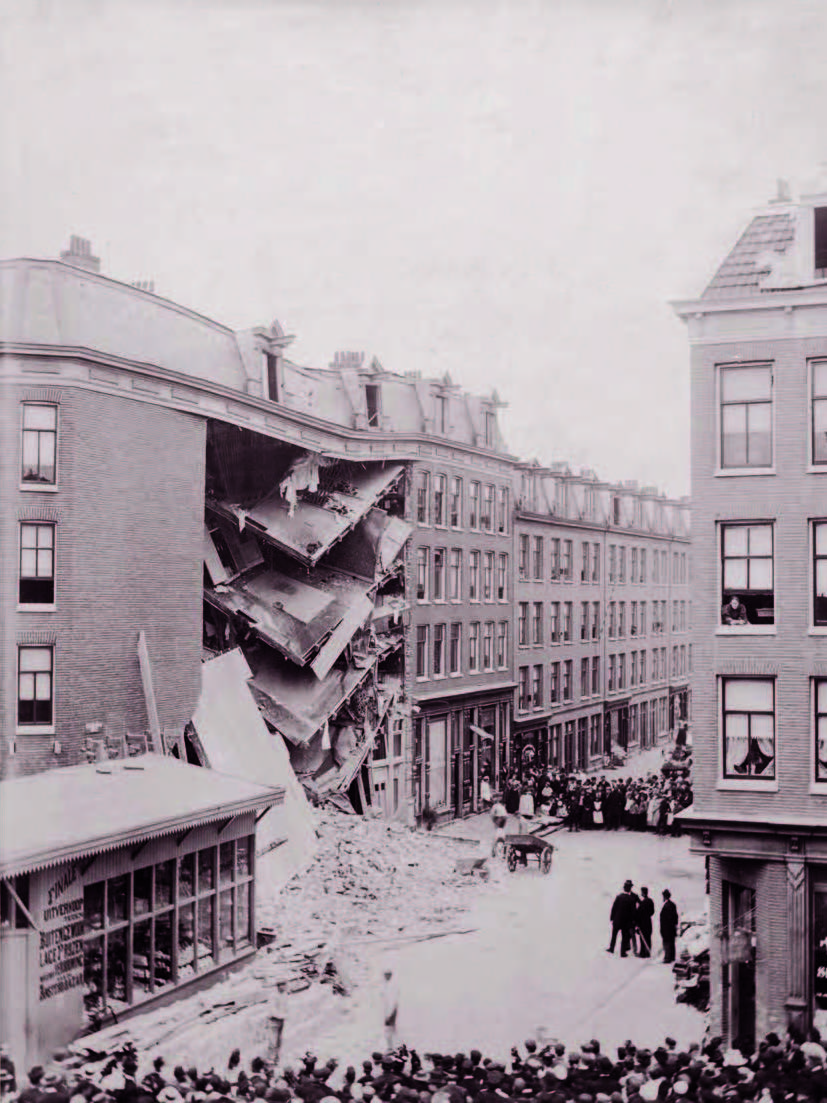
In the nineteenth century, Amsterdam grew explosively. To keep pace with population growth, urban expansion was largely left to the free market. Anyone could become a builder, flooding the city with hastily and cheaply constructed housing. This so-called ‘revolutiebouw’ (speculative building) led to dangerous situations: houses collapsed, facades fell over and fires spread rapidly due to poor construction and insufficient oversight. This study examines the role of supervision and regulation in structurally improving building quality in Amsterdam between 1851 and 1914, with particular...
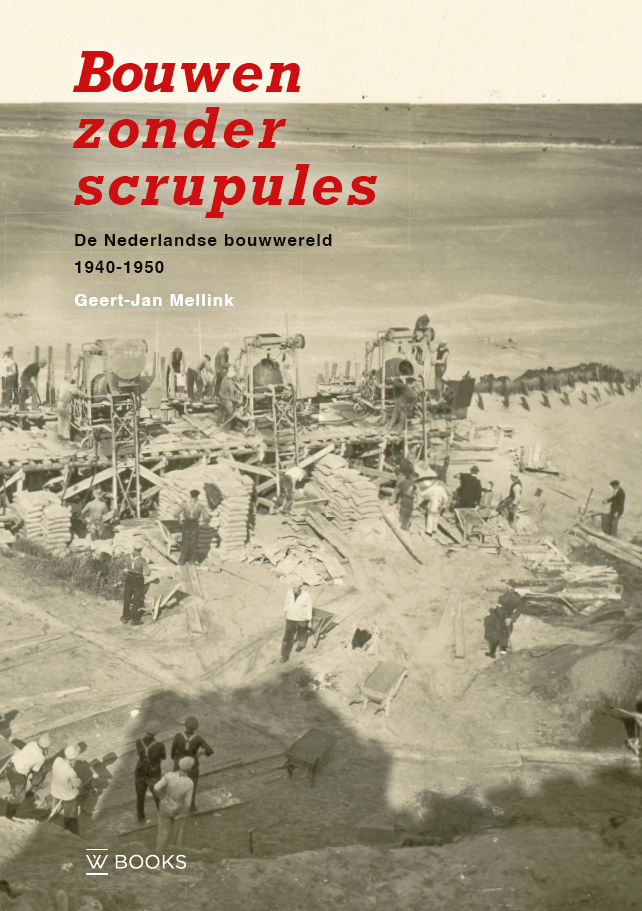
Review of a book written by Geert-Jan Mellink.
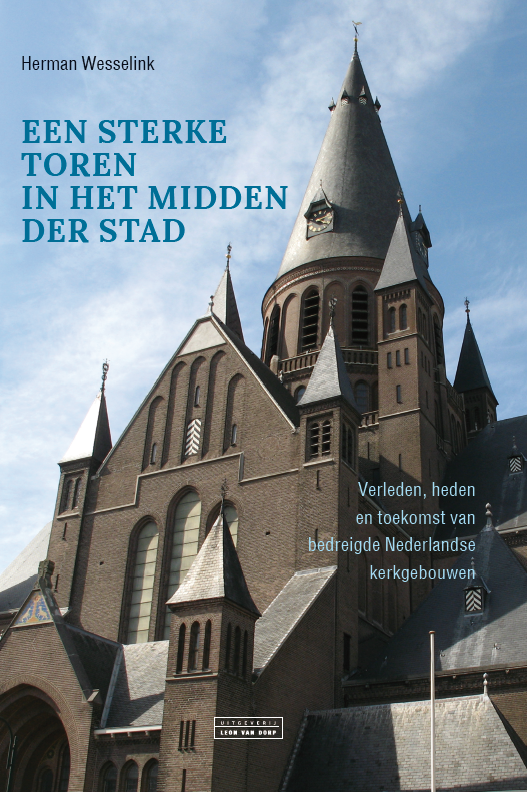
Review of a book written by Herman Wesselink.
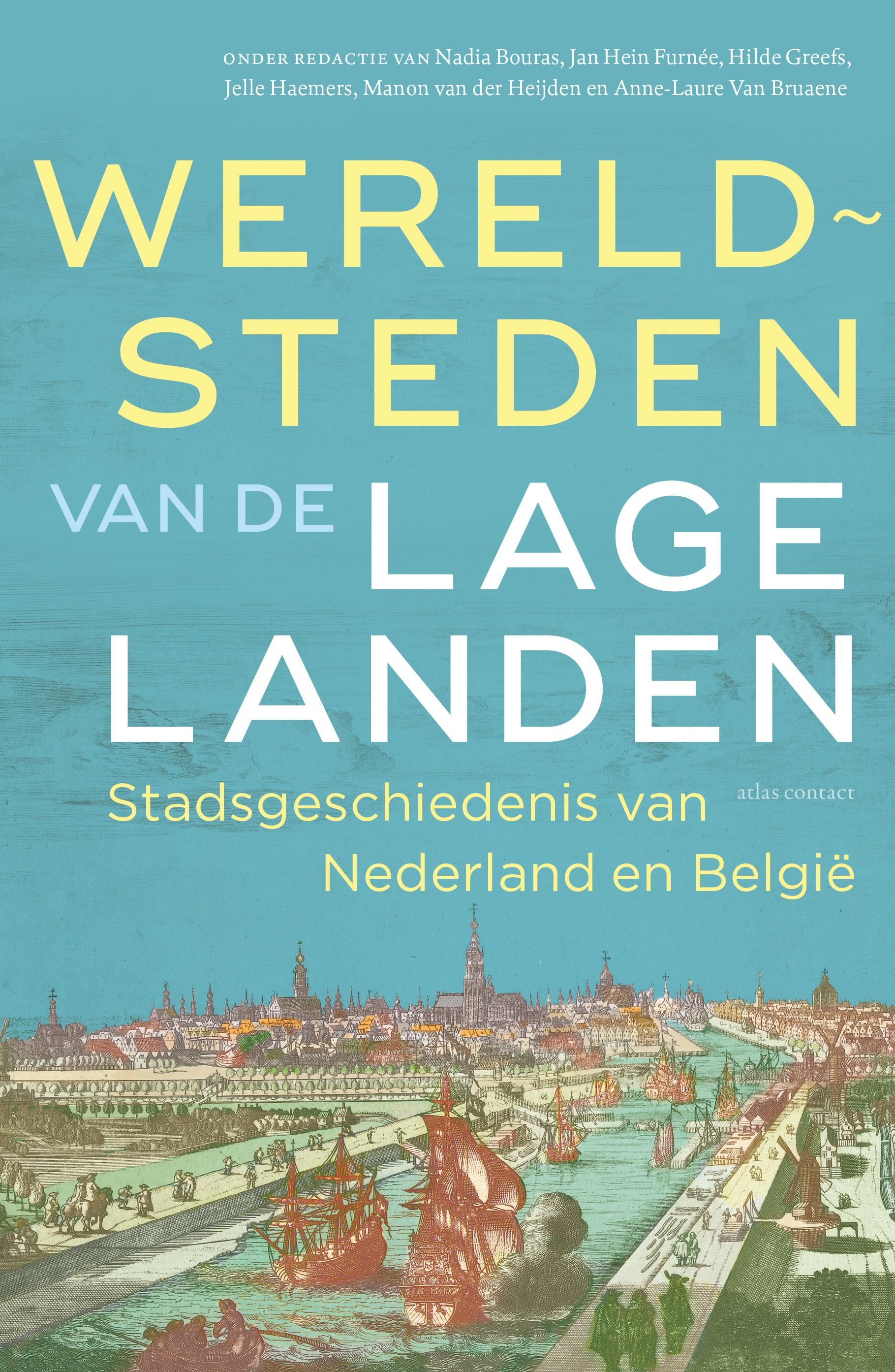
Review of a book written by Nadia Bouras, Jan Hein Furnée, Hilde Greefs, Jelle Haemers, Manon van der Heijden, Anne-Laure Van Bruaene (red.).
‘Tweegesprek’ is een jaarlijkse rubriek in ons Bulletin waarin we een actueel en prikkelend vraagstuk binnen de interessegebieden van de KNOB (architectuur- en bouwgeschiedenis, stedenbouw, cultuurlandschap en monumentenzorg) centraal stellen. Op een Stelling volgt een Tegenstelling, waarin een vakgenoot reageert. Zo ontstaat een open dialoog tussen collega’s in het veld.
Bericht vanuit Bestuur KNOB.