Indexering ESCI / Scopus


Dit is de derde editie van de rubriek Afstudeerwerk, dat alle inzendingen voor de KNOB-scriptieprijs 2025 bevat.
Inzenders van de afstudeerwerken zijn: Alisha van Heek - Arthur Friederichs - Britt Wouters - Emma Van der Donckt - Femke Van Dycke - Imane Huyghebaert - Isa Walvoort - Liam Borger - Stan Liebrand - Stijn van de Ven - Zomer Zeijlemaker
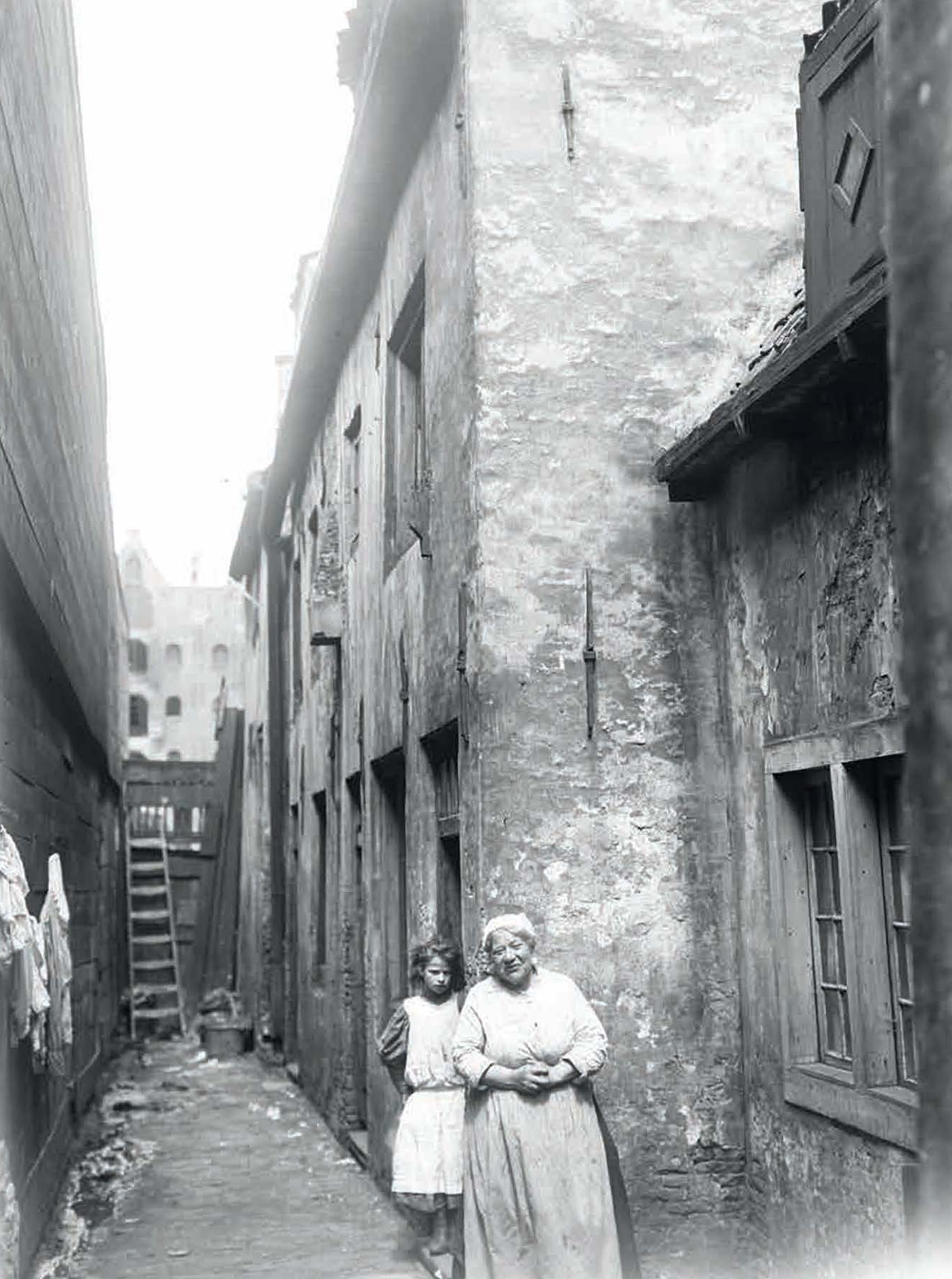
In the early 20th century, Valkenburgerstraat was the centre of one of the poorest and most densely-populated neighbourhoods of Amsterdam’s Jewish quarter, where large families lived in cramped ‘alley dwellings’. In contrast, in the early 17th century the first occupants of this street on the man-made island of Marken had been wealthy shipbuilders who owned large wharf plots. This article draws on archaeological data from two sites on Valkenburgerstraat in combination with historical records, creating multiple lines of evidence illuminating life on Marken from the late 16th to the 19th...
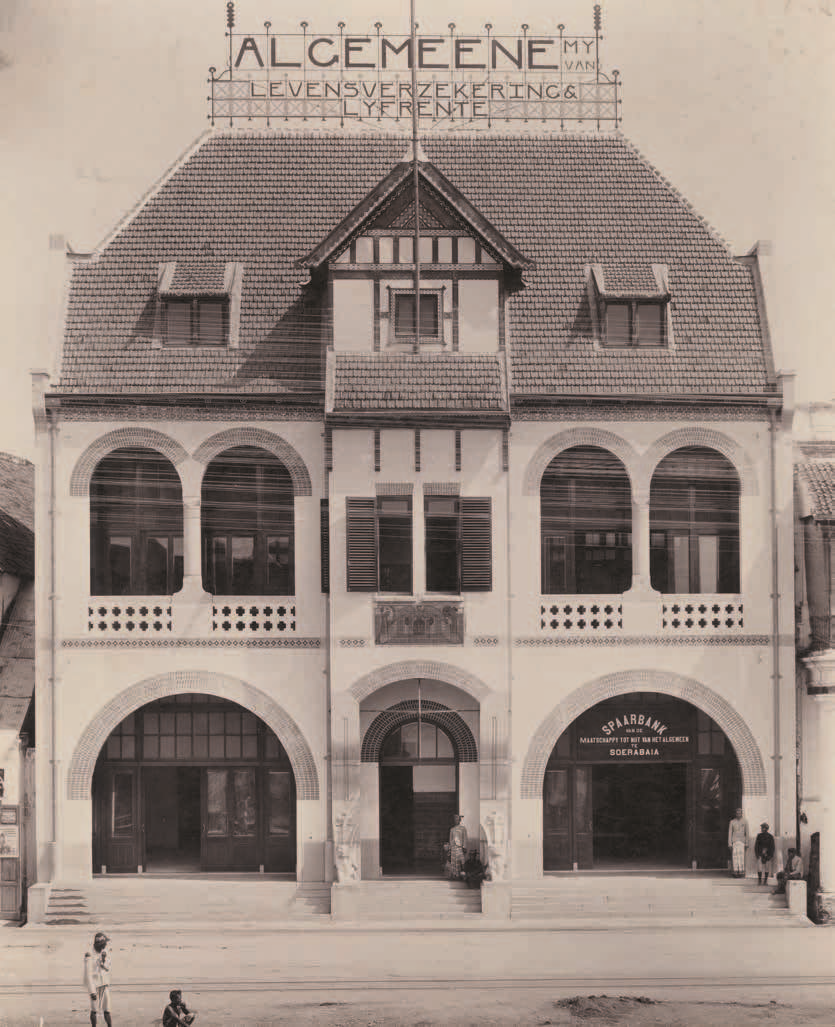
The first building designed by H.P. Berlage (1856-1934) in Indonesia is located in Surabaya. He designed it for the Algemeene Maatschappij van Levensverzekering en Lijfrente (‘de Algemeene’) between 1898 and 1900. It is a striking building, partly due to the tile tableau by Jan Toorop (1858-1928) on the facade and the two entrance sculptures by Joseph Mendes da Costa (1863-1939), from which it derives its current Indonesian nickname: Gedung Singa, the lion building. Architectural historians often consider the building to be of minor importance within Berlages oeuvre. It is mentioned in...

The legal distinction in the Netherlands between the protection of immovable and movable cultural heritage on the one hand and that of tangible and intangible cultural heritage on the other is confusing and has direct consequences for policy and research in the field of national heritage. It also prevents proper alignment with international regulations such as those of UNESCO's tangible and intangible cultural heritage. With the introduction of the Erfgoedwet (Heritage Act) in 2016, more order was created in the multitude of regulations, methods of protection and subsidies. Nevertheless,...
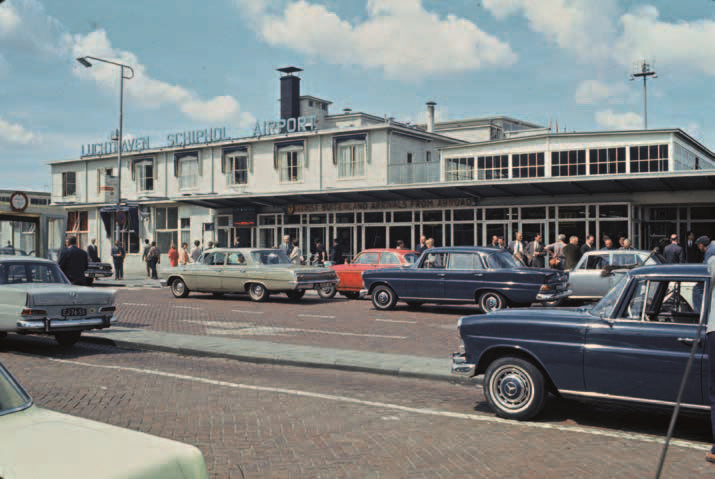
This article examines the formative role of the ‘place function’ of airports in the architectural and spatial development of early airport terminals. The place function is characterized by facilities and spaces not directly related to air transport but intended for visitors. Whereas existing scholarship often interprets airport typology primarily in terms of technological advances in aviation and the changing operational needs of air transport, this study argues that the emergence of civil aviation in the Netherlands between 1920 and 1949 was also deeply shaped by the ambition to...

Recensie van een boek geschreven door Natasja Hogen.
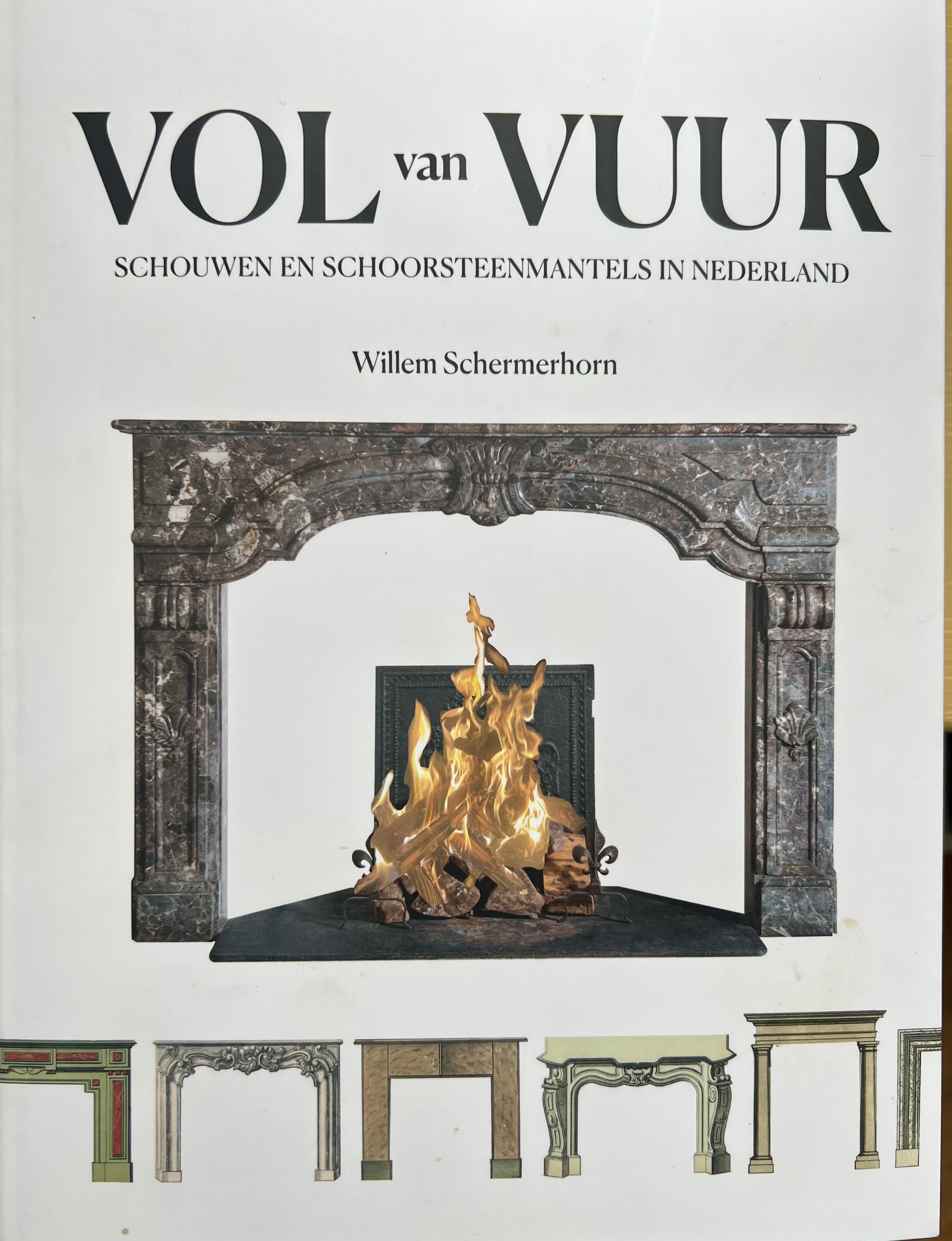
Boek geschreven door Willem Schermerhorn.
Bericht vanuit Bestuur KNOB en Archiefopruiming van oude Bulletins en Over Hollands.