Indexering ESCI / Scopus

Voorwoord bij het themanummer.
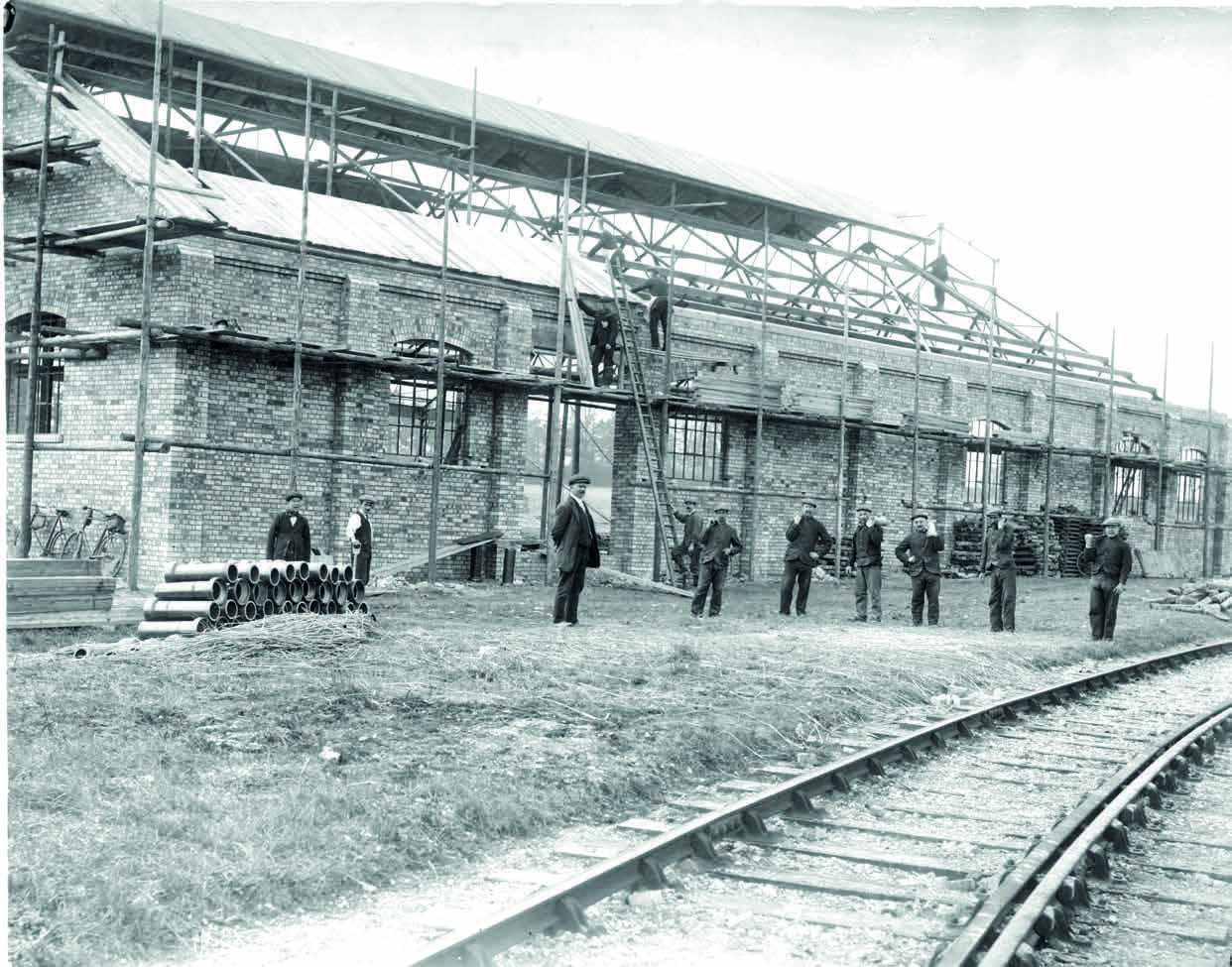
Housing programmes in the early twentieth century were meant to overcome shortages of dwellings for workers in many European industrial centres. Yet what was often overlooked was the fact that housing needed to be built by construction labour, and that labour also needed housing in order to be able to continue working. This article considers how housing scarcity intersected with the overlooked issue of labour scarcity: how the needs of construction workers were or were not addressed. It focuses on garden cities and related suburban settlements in England and Belgium – forms of...
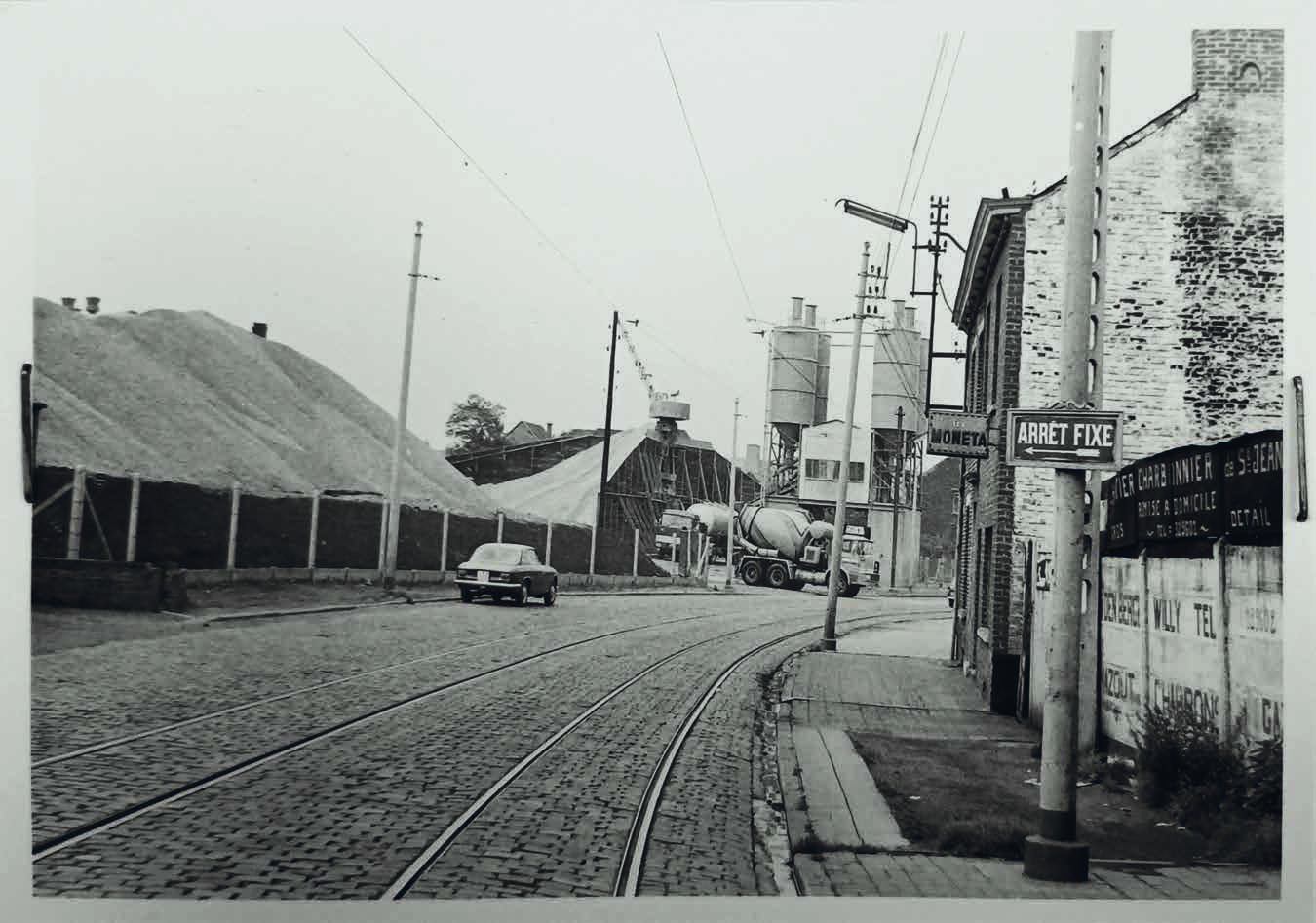
This article reconstructs how the development of a dense network of concrete plants was crucial in making concrete the basic material of an urbanizing construction culture. Belgium is treated as a paradigmatic case to argue that one – perhaps the main – reason why concrete became the most dominant building material in the world was due to the intensive way in which it was distributed and made available as a self-evident consumer product. The article describes how the relentless output of horizontal rotary kilns compelled the cement industry to adopt a bold 'politics of realization' –...
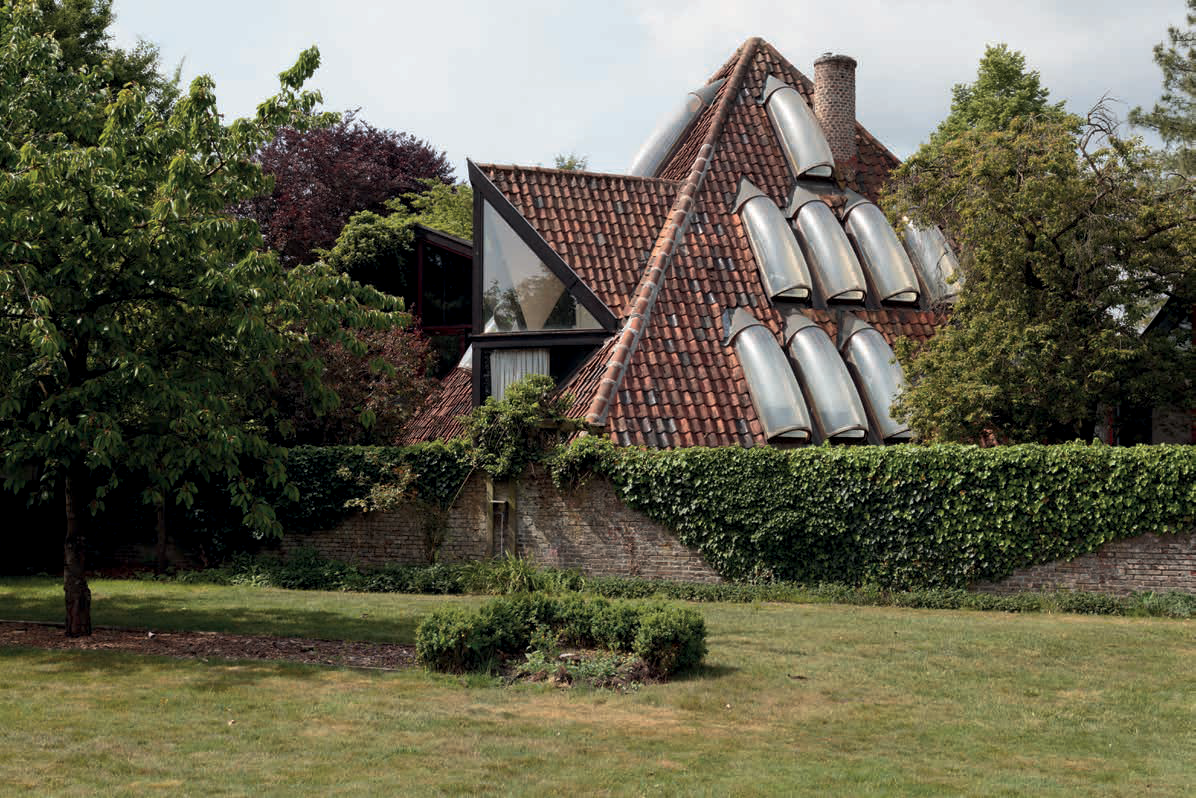
In order to gain insight into the specifics of circular architecture as a necessary alternative to contemporary extractive building practices, this article examines the work of Marcel Raymaekers. Between 1962 and 2014, the Belgian architect and trader developed a practice in the reuse of building materials. In the post-war context, in which the construction sector began to rely increasingly on cheap, standardised, industrially produced materials, Raymaekers made a radical choice for alternative elements. His aversion to mass-produced elements stemmed from aesthetic preferences. A...
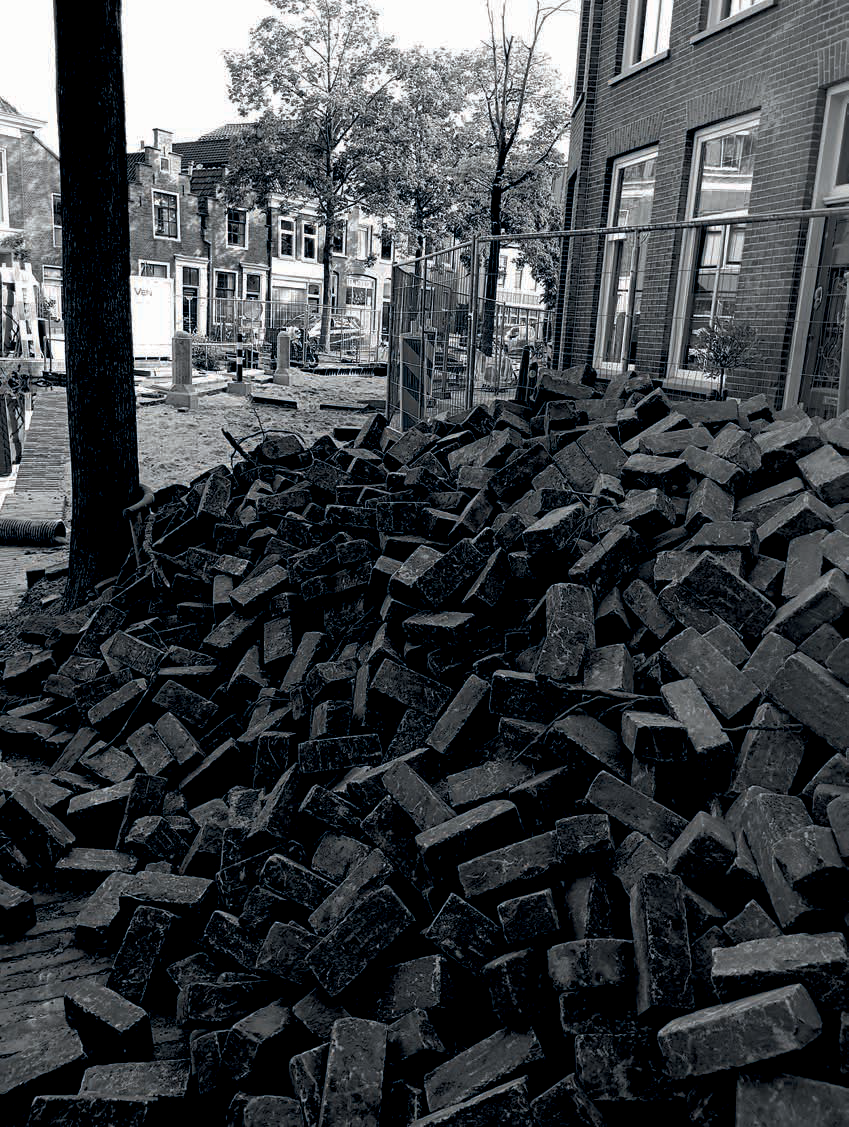
Recently, the notion of material harvesting, collection, and reworking has gained significant attention as a crucial step in understanding essential aspects of building culture, particularly in relation to reuse, ma-terial scarcity, or, conversely, material availability. The ‘Recycling Beauty’ exhibition (Fondazione Prada, Milan 2022), which displayed Greek and Roman spolia, marble fragments, and pieces of sculptures placed alongside one other, alluded to practices of appropriation and possession, to the relationship between craftsmen and found resources, and to the need to store and...